A Casino in Every Pocket

iGaming is
Internet Gambling
It’s a casino you can’t walk away from.
It’s in every pocket, on your phone, in your laptop and your tablet.
It’s designed to draw in those most susceptible with 24/7 casino style games
With no limits, controls or barriers, experts call it the most insidious and addictive form of gaming.
Other states including Arkansas, Wyoming, Maine, New Hampshire, Virginia, Indiana, and Maryland have all said NO to iGaming.
The Massachusetts Legislature is considering bringing iGaming here.
Join the fight and add your name to stop iGaming in Massachusetts.
The Facts on iGaming
iGaming is internet-based casino gambling (slots, blackjack, roulette, etc.).
Unlike sports betting, which has natural breaks tied to real-world events, iGaming is 24/7, instant, and nonstop—making it far more addictive and predatory.
Why is iGaming more dangerous than sports betting?
No pauses or timeouts— it is constant action.
Accessible anywhere via smartphone, even by minors.
Isolating—gamblers play alone, without social checks.
Stronger link to addiction, bankruptcies, and family harm.
What bills are being proposed?
House Bill 332 (H.332) and Senate Bill 235 (S.235) would legalize online casino gambling in Massachusetts. They are largely industry-written, prioritizing profits over public safety.
What's wrong with the bills?
Weak safeguards: Out-of-state dealers, poor consumer protections, minimal oversight.
Fast-track licenses: $1M buys instant temporary approval for big gambling tech firms.
Tax loopholes: Companies can deduct “promotional credits,” slashing state revenue.
Few jobs created: Online casinos require little staffing and no local investment.
Untethered licenses: Companies wouldn’t even need to be existing MA casino operators.
How would iGaming impact jobs in Massachusetts?
Massachusetts law requires gambling to create jobs—iGaming does the opposite.
Estimates show 3,648 jobs at risk, including 862 direct casino jobs and 2,786 supporting roles.
Online casinos require no new buildings, no construction, and minimal staff.
Unions representing over 500,000 MA workers (AFL-CIO, Teamsters, IBEW, UNITE HERE) strongly oppose iGaming.
What is the public health risk?
Yes. Experts warn iGaming can be “10 times more harmful” than traditional gambling.
Problem gambling calls in MA spiked 120% from 2022 to 2023 after sports betting launched.
Children as young as 13 are already seeking help for gambling addiction.
Online gambling is especially harmful to teens and young adults (high rates of usage among those under 25).
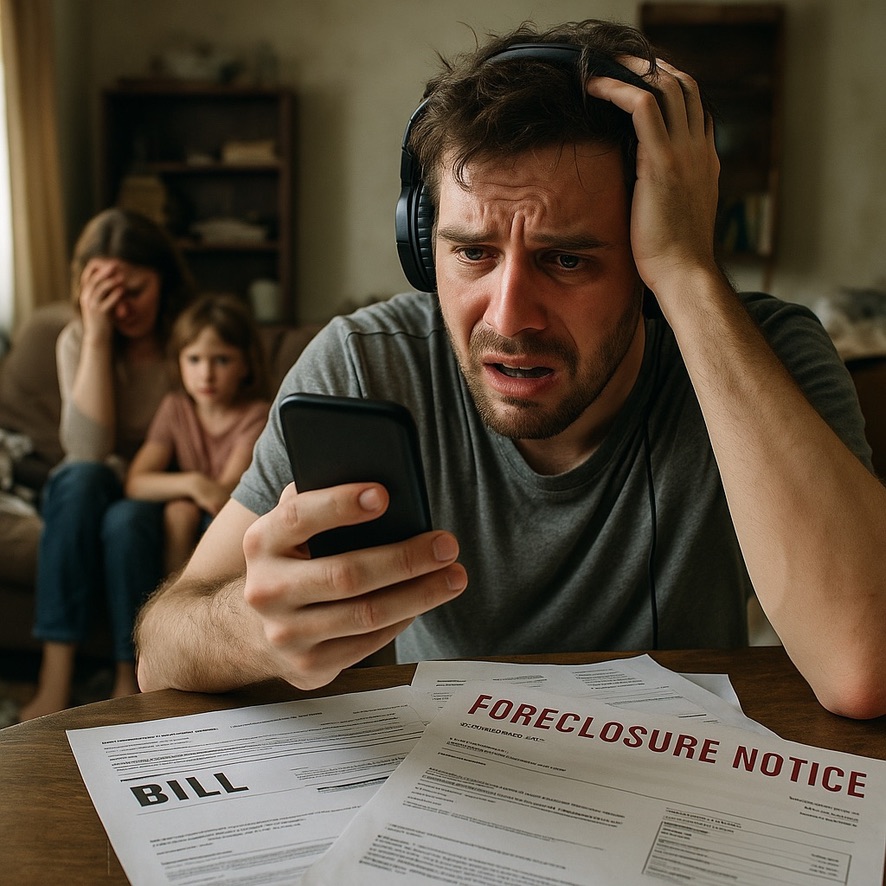
Addiction leads to bankruptcy, homelessness, domestic violence, and mental health crises.
Will iGaming generate substantial tax revenue for the state?
No. The promised revenue is a false promise:
Any tax gains are offset by job losses, cannibalized casino taxes, and reduced tourism.
Online operators pay lower tax rates than in-person casinos.
States like Connecticut lost millions due to loopholes (e.g., free bet deductions).
Social costs—bankruptcies, health care, homelessness—eat away at revenue.
Does iGaming reduce the illegal gambling market?
No. In 2024, even in states with legalized iGaming, 74% of online gambling revenue still went to illegal sites. Enforcement—not legalization—is the solution.
What can Massachusetts learn from other states?
Pennsylvania, Michigan, New Jersey: iGaming cannibalized up to 30% of in-person casino revenue, leading to thousands of job losses.
Helpline calls skyrocketed (PA saw a 320% increase since iGaming launch).
Bipartisan lawmakers in those states are now trying to rein in or roll back online gambling due to its harms.
Who is most at risk?
Teens and young men: High participation rates, early exposure (many start before age 16).
Low-income households: Hit hardest by financial losses.
Families: Suffer from addiction-related bankruptcies, debt, and domestic issues.
What is the bottom line?
iGaming threatens Massachusetts jobs, families, and communities.
It provides little to no net revenue once social costs are factored in.
It puts a casino in every kid’s pocket.
That’s why 21 proposals across the U.S. have been rejected since 2024.
Massachusetts should reject H.332 and S.235.